
15 July 2026 · Jordan Hale
Why Sustainable Tech is the Next Big Thing in Innovation

In recent years, the push for sustainability has moved from a niche concern to a central focus in the world of technology. Companies and consumers alike are recognizing that the future of innovation lies not just in smarter devices but in those that respect our planet's limits. This shift is creating new opportunities for growth and creativity across industries.
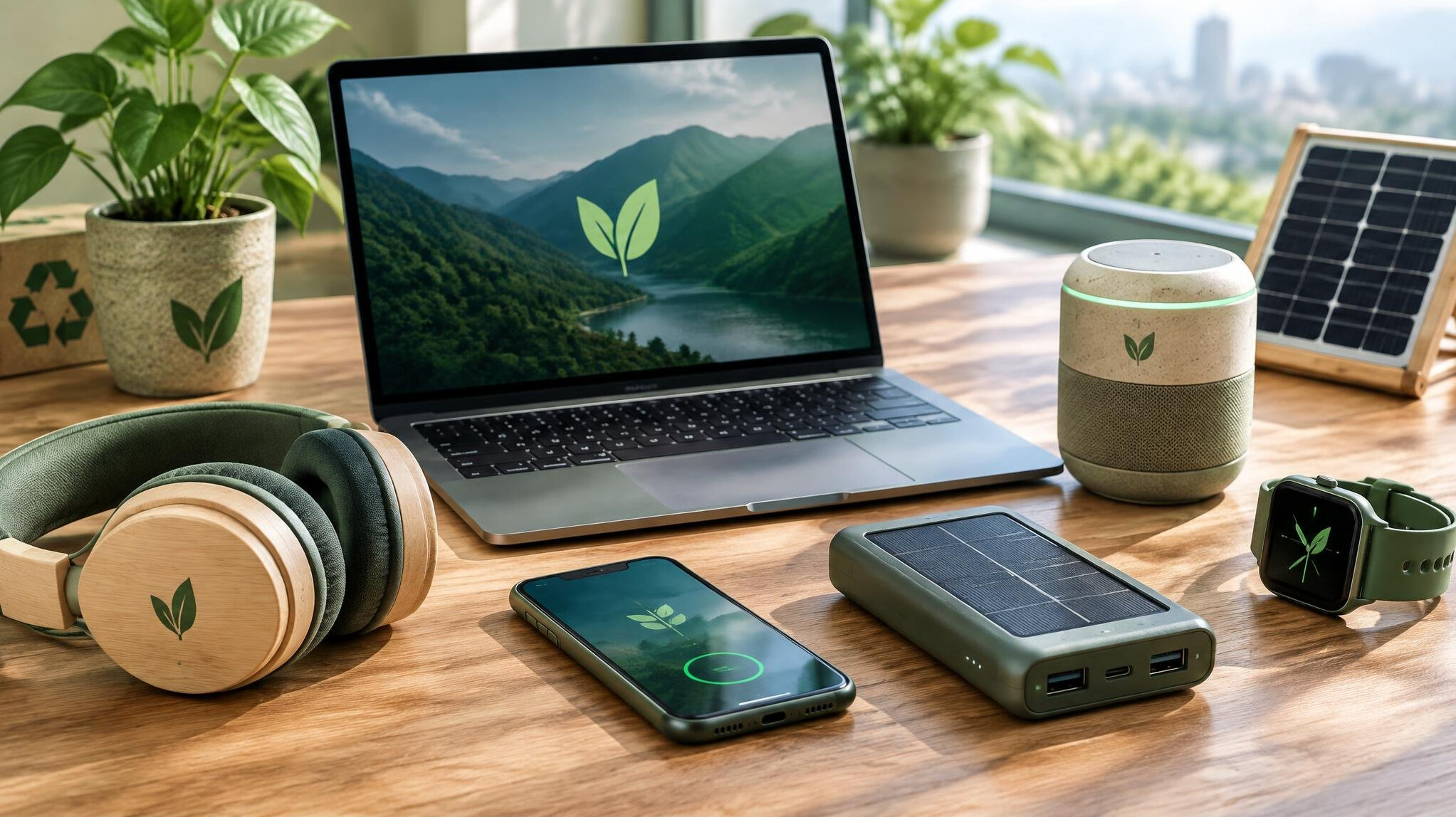
The Environmental Imperative
Traditional tech manufacturing often relies on resource-intensive processes that contribute to pollution and waste. As awareness grows, developers are turning to materials that are recycled or biodegradable. This change reduces the carbon footprint while maintaining high performance standards. For example, using recycled plastics in smartphone casings has become more common, proving that quality need not come at an environmental cost.
Moreover, energy efficiency is now a key metric in product design. Devices that consume less power help lower overall emissions from data centers and user households. This focus on efficiency is not only good for the earth but also appeals to cost-conscious buyers looking to save on electricity bills.
Driving Economic Opportunities
Sustainable tech is opening doors to new markets and jobs. From engineers specializing in renewable energy integration to designers creating circular economy models, the sector is booming. Startups focused on green solutions are attracting significant investment, as venture capitalists see long-term potential in products that solve real-world problems like climate change.

Consumers are also driving this trend by demanding transparency about supply chains. Brands that adopt ethical sourcing practices build stronger loyalty. This consumer pressure encourages innovation in areas like modular phones that can be easily repaired, extending product lifespans and reducing e-waste.
Real-World Examples of Progress
Consider advancements in electric vehicles, where battery technology has improved dramatically to use fewer rare minerals. Or look at smart home systems that optimize energy use based on real-time data. These examples show how sustainability fuels creativity rather than limiting it.
Technology should enhance life without compromising the future.
Another area seeing rapid development is in software that promotes sustainable behaviors. Apps that track personal carbon footprints or suggest eco-friendly alternatives are gaining traction. They empower individuals to make informed choices daily.

Challenges and the Road Ahead
Despite the promise, hurdles remain. Scaling sustainable practices requires collaboration between governments, businesses, and researchers. Regulations must evolve to support these changes without stifling progress. Education plays a role too, as more professionals need training in green tech principles.
Yet the momentum is undeniable. As costs for renewable resources drop and awareness rises, sustainable tech will likely become the standard rather than the exception. This evolution promises a more resilient and innovative industry for generations to come.