10 August 2026 · Michael Thompson
The Unexpected Ways Digital Media is Transforming Education
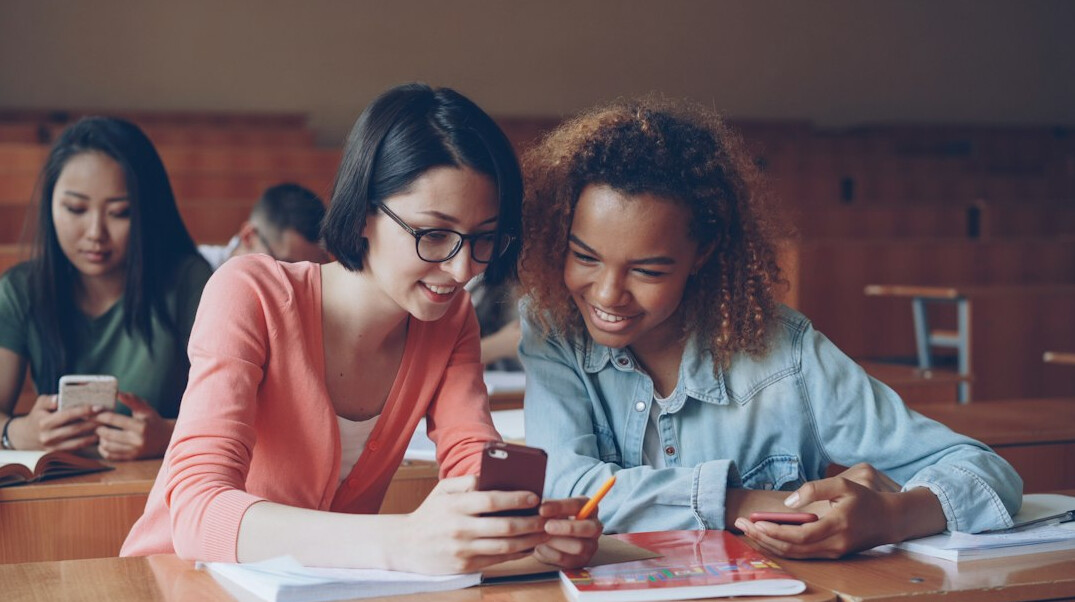
Education has always evolved with technology, but digital media is introducing changes that feel more organic and less predictable than the usual headlines about online classes or apps. Teachers and students alike are discovering that tools once seen as distractions are now quietly reshaping how knowledge is shared and absorbed.
Memes as Modern Study Aids
One of the more surprising shifts involves memes. What started as internet humor has found a place in history and literature lessons. Students create visual summaries of events like the French Revolution or key plot points in novels, turning dense material into shareable images. This approach helps retention because it taps into emotional and visual memory rather than rote facts.
Collaborative Storytelling Across Borders
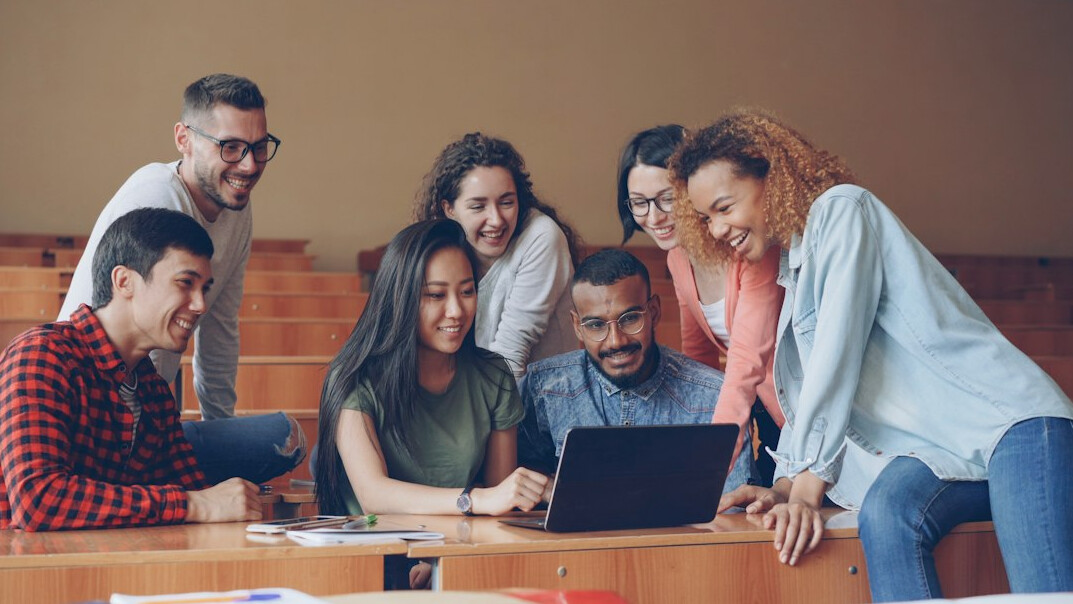
Digital platforms allow classes in different countries to co-author stories or reports in real time. A group in one city might contribute research while another adds illustrations or audio narration. The result is a richer understanding of cultural perspectives that textbooks alone cannot provide. It feels less like an assignment and more like a shared project that builds empathy naturally.
Short-Form Video for Deep Concepts
Short videos on platforms like TikTok or Instagram are breaking down complex topics into bite-sized explanations. A biology teacher might post a 60-second clip on photosynthesis that students watch during breaks, then discuss later. The unexpected benefit is how these clips spark curiosity, leading learners to explore further on their own rather than waiting for structured lessons.
Digital media turns passive viewers into active participants who question and remix ideas.
Personalized Feedback Through Analytics
Beyond the obvious tracking of grades, media platforms now offer insights into how students interact with content. Teachers notice patterns, such as which parts of a video students replay most, revealing where confusion arises. This data helps adjust teaching without formal tests, making education feel more responsive and less rigid.

Accessibility Through Everyday Tools
Voice notes and captions, common in social apps, are making education more inclusive. Students with reading difficulties or language barriers can engage with material in ways that suit them best. What began as features for convenience now support diverse learning needs without special equipment.
These changes highlight how digital media integrates into daily life rather than forcing a complete overhaul of traditional methods. The result is an education landscape that feels more dynamic and connected to the world students already navigate.